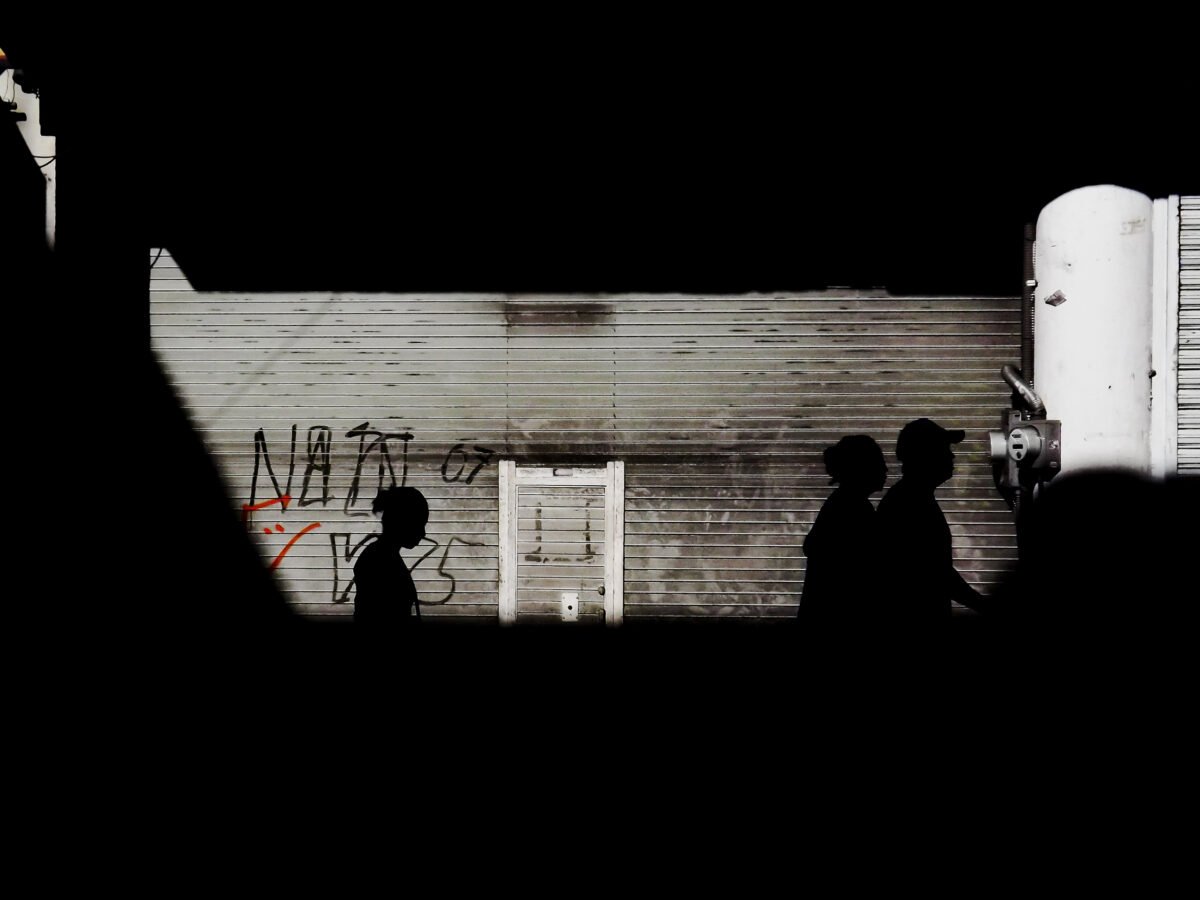

Theme: “Family”.”
09/08/2025
IPFA 2025 Award Call for Entries Now Open
24/11/2025Historical Context of Street Photography
Street photography emerged as an artistic genre in the 19th century, coinciding with important social and cultural changes. This period was marked by the Industrial Revolution, which radically transformed everyday life. In cities, urbanization attracted a population seeking new opportunities, creating a vibrant environment full of human interactions and urban scenes that captured the essence of everyday life. These conditions became a rich source of inspiration for photographers seeking to document the world around them.
Pioneers such as Eugène Atget and Henri Cartier-Bresson played a crucial role in the popularization of street photography. Atget, with his evocative images of the streets of Paris, showed the beauty in the everyday, while Cartier-Bresson introduced the concept of the “decisive instant,” capturing ephemeral moments that revealed the essence of the human being in urban space. Both photographers used cameras from renowned brands, such as Kodak and Leica, which offered the portability and quality needed to capture spontaneous scenes.
As the 20th century progressed, interest in street photography continued to grow, driven by a desire to document the accelerating changes in society. Photography became an accessible medium for many, and smaller format cameras allowed photographers to capture everyday life without being intrusive. Social movements such as humanism and the counterculture of the 1960s also influenced this art form, encouraging artists to explore issues of identity and community through their lenses. Thus, street photography established itself as a vital reflection of its time, a visual testimony of human experiences and the dynamics of evolving cities.
Evolution of Street Photography in the 20th and 21st Centuries
Street photography, as a form of artistic and documentary expression, has undergone a significant evolution since its beginnings in the 20th century. Initially, capturing urban life in black and white with cameras such as Kodak and Leica, photographers focused on documenting daily life and social interactions in cities. This approach was evident in the works of pioneers such as Henri Cartier-Bresson, whose use of the “decisive moment” technique helped establish a visual narrative that characterized the essence of human experience in public spaces.
With the advancement of technology in the 20th century, the camera became a more accessible tool, allowing a growing number of photographers to immortalize everyday moments in their respective cities. The introduction of color film and the development of more compact cameras radically changed the aesthetics and technique of street photography. This evolution not only expanded the visual repertoire, but also allowed artists to explore new themes, such as the colorfulness of urban life or cultural diversity through different lenses. With the advent of the 21st century, the advent of digital photography and smartphones further revolutionized this practice. Photographers can now capture and edit images instantly, which has facilitated a more dynamic and direct interaction with their audience through social media platforms.
Social networks have played a crucial role in the dissemination and popularization of contemporary street photography. They allow photographers to share their work instantly and globally, creating an interactive community that often defies traditional conventions. Technological advances continue to offer new opportunities for expression in this genre, thus keeping alive the essence of capturing the everyday and the ephemeral in daily life. In conclusion, the evolution of street photography, supported by changes in technology and aesthetics, continues to transform, reflecting the complexities of modern urban life.
Key Cameras in the History of Street Photography
Street photography has been transformed over the years by various models of cameras that have made it easier to capture the daily life in urban environments. Among these, the Leica M3 stands out as one of the most influential. Introduced in 1954, the Leica M3 revolutionized photography with its compact design, exceptional optical quality and ability to be operated silently. This model allowed photographers to capture spontaneous scenes without interrupting the flow of urban life, making it an indispensable tool for many street photographers.
As technology advanced, the transition from film cameras to digital cameras began to shape new paradigms in the street photography. Brands such as Kodak pioneered the production of digital cameras, giving photographers immediate access to their images and the ability to experiment with different editing techniques. The ability to instantly view the results of a shot allows for real-time adjustments, which is critical when capturing the ephemeral essence of a photographic experience. daily life.
From 35 mm cameras to point-and-shoot models, each innovation has expanded the creative possibilities in this photographic genre. Compact cameras in particular provide portability and discretion, essential qualities for the street photographer who wishes to remain invisible while documenting human interactions. This shift toward more accessible models has also democratized street photography, allowing a greater diversity of voices to capture and share their vision of the urban environment.
The evolution continues, and the impact of digital cameras, along with the emergence of smartphones, has made the street photography is more accessible than ever. Innovation in technology has provided photographers with new tools that are constantly redefining the scope of image capture in public spaces.
Future Perspectives in Street Photography
As we move into the future, street photography faces a constantly evolving landscape, driven by technological trends and cultural transformations. The adoption of new tools and techniques is redefining our understanding of everyday life and how we capture it. Among these innovations, artificial intelligence (AI) has begun to play a crucial role, facilitating complex editing processes that previously required deep technical knowledge. This technology allows photographers to optimize their workflow and focus more on the art of telling stories through their images, rather than getting caught up in technical aspects.
On the other hand, augmented reality also promises to change the way we experience street photography. By integrating virtual elements with reality, photographers can enrich their narratives, offering immersive experiences that go beyond the simple act of viewing. This can be particularly appealing to a young audience, who are looking for innovative methods of interacting with art and culture. The intersection of street photography and technology offers new platforms for artists to express their visions of the world.
In addition, street photography continues to serve as a valuable historical document, capturing ephemeral moments that resonate with contemporary culture. As society evolves, so do visual narratives; street photographers play a crucial role in representing daily life, acting as chroniclers of their communities. These changes invite deep reflection on how these images are used in the future and their ability to influence cultural perception. The key lies in adaptability: photographers must be willing to experiment and explore new opportunities, ensuring that street photography remains a vibrant and relevant medium in our society.

 Spanish
 English
 Portuguese